
James Hardie vs Vinyl Siding: Which Is the Better Choice for Your Home?
If you’re standing in your driveway right now looking at your house and wondering whether to go with James Hardie fiber cement siding or vinyl, you’re not alone. This is one of the most common questions homeowners in North Carolina and South Carolina ask us at Hatch Homes, and honestly? There’s no one-size-fits-all answer.
Both materials have their place. Vinyl siding is cheaper upfront and comes in a ton of colors. James Hardie siding costs more initially but tends to outperform vinyl in almost every category that actually matters long-term, durability, fire resistance, moisture protection, and how it holds up against the humidity and storms we get here in the Carolinas.
We’ve installed both types of siding on homes across NC and SC for years, and we’ve seen firsthand what happens to each material five, ten, fifteen years down the road. Below, we’re breaking down exactly how these two products compare across the factors that matter most: pests, moisture, weather, fire safety, cost, lifespan, maintenance, curb appeal, and resale value.
James Hardie vs Vinyl Siding: Pest Resistance Compared
Termites don’t care how nice your house looks. They care about what it’s made of.
Vinyl siding is technically pest-resistant on its surface, but here’s the catch, it’s usually installed over wood sheathing or foam backing, and vinyl doesn’t stop termites or carpenter ants from getting underneath it. Once moisture sneaks behind vinyl panels (which happens more than people think), it creates the perfect environment for pests to move in and start chewing through the structural wood behind your walls.
James Hardie siding is made from fiber cement, a mix of cellulose fibers, sand, and cement. Termites can’t eat it. Carpenter ants can’t tunnel through it. There’s simply nothing organic in the material for pests to feed on, which makes it a significantly better barrier against the wood-destroying insects we deal with constantly here in the South.
North and South Carolina have some of the worst termite pressure in the country thanks to our warm, humid climate. If pest resistance is high on your priority list, fiber cement wins this one pretty decisively.

James Hardie vs Vinyl Siding: Pest Resistance Compared
This is where a lot of homeowners get caught off guard.
Vinyl siding isn’t waterproof, it’s water-resistant, and there’s a big difference. Because vinyl panels overlap instead of sealing completely, water can work its way behind them during heavy rain or wind-driven storms. Once moisture gets trapped back there, it sits against your wood sheathing and starts causing rot, mold, and mildew that you can’t see until the damage is already extensive.

James Hardie siding handles moisture completely differently. It’s engineered specifically to resist swelling, warping, and water absorption, even in high-humidity climates like ours. It won’t rot, and it’s far less likely to trap moisture against your home’s structure the way vinyl can.
Given how much rain the Carolinas get, especially during hurricane season, this is a category where the extra upfront cost of James Hardie tends to pay for itself. Water damage repairs aren’t cheap, and neither is dealing with mold remediation if it gets bad enough.
James Hardie vs Vinyl Siding: Weather & Impact Durability
If you’ve lived in NC or SC for more than a summer, you already know our weather doesn’t mess around. Hot, humid summers. Cold snaps in winter. Hurricanes rolling up from the coast. Hail storms that seem to come out of nowhere.
Vinyl siding struggles in extreme temperature swings. In cold weather, it becomes brittle and can crack on impact, a stray baseball, hail, even a ladder bump can leave a hole. In intense summer heat, cheaper vinyl can warp or buckle, especially on walls that get direct afternoon sun.
James Hardie siding is built to handle exactly these conditions. It resists cracking, warping, and impact damage far better than vinyl, and it holds its shape regardless of temperature extremes. Hardie also makes a HZ5 product line specifically engineered for hurricane-prone regions, which matters a lot if you’re anywhere near the coast in either Carolina.
For homes that need to stand up to severe weather year after year, fiber cement is the more durable choice, hands down.

James Hardie vs Vinyl Siding: Fire Resistance Ratings

Vinyl siding is made from PVC, a type of plastic, which means it’s flammable. In a house fire, vinyl siding can melt, warp, and even contribute fuel to spreading flames. It’s not going to stop a fire from happening, but it also won’t help slow one down.
James Hardie siding is non-combustible. It carries a Class 1(A) fire rating, and because it’s made from fiber cement rather than plastic, it won’t ignite or contribute to fire spread the way vinyl can. Some insurance companies even offer reduced premiums for homes with fiber cement siding because of this fire-resistant quality.
James Hardie vs Vinyl Siding: Cost Comparison (Upfront & Long-Term)
Vinyl siding installation typically costs between $6 and $12 per square foot, with the price depending on the thickness and quality grade you select. Lower end vinyl sits toward the bottom of that range, while thicker, insulated vinyl products cost more.
James Hardie siding runs between $8 and $18 per square foot installed. Price varies based on which product line you choose, whether it’s HardiePlank, HardieShingle, or HardiePanel, along with your home’s square footage and the complexity of the installation.
Lifespan factors into the overall cost picture as well. Vinyl siding generally lasts 20 to 25 years before homeowners start seeing cracking, fading, or warping that leads to repair or replacement. James Hardie siding comes with a 30 year limited warranty, and many installations remain functional well beyond that timeframe with normal maintenance.
Fading is another factor that affects long term appearance. Vinyl siding can lose its color over time, particularly in areas with high sun exposure, which sometimes leads homeowners to repaint or replace panels for cosmetic reasons rather than structural ones. James Hardie’s ColorPlus finish is designed to resist fading for a longer period, though repainting is still typically needed within 15 to 30 years to maintain the original finish.
| Siding | *Price per Sq Ft |
|---|---|
| James Hardie ColorPlus Lap | Starts at $10.00 |
| James Hardie ColorPlus Board & Batten | Starts at $11.25 |
| James Hardie ColorPlus Shingle | Starts at $17.25 |
| James Hardie Prime Lap | Starts at $8.00 |
| James Hardie Prime Board & Batten | Starts at $9.00 |
| James Hardie Prime Shingle | Starts at $13.00 |
| Vinyl Lap | Starts at $6.00 |
| Vinyl Board & Batten | Starts at $7.25 |
| Vinyl Shingle | Starts at $12.00 |
| Premium Vinyl Lap | Starts at $7.50 |
| Foam Integrated Vinyl Lap | Starts at $8.50 |
| Ascend Lap | Starts at $10.25 |
| Ascend Board & Batten | Starts at $11.25 |
| Cedar Lap | Starts at $16.75 |
| Cedar Shingle | Starts at $22.00 |
| Pine Lap | Starts at $11.75 |
| LP Engineered Wood Lap | Starts at $11.00 |
| LP Engineered Wood Board & Batten | Starts at $12.25 |
| LP Engineered Wood Shingle | Starts at $19.00 |
| Stone Veneer | Starts at $25.75 |
| Natural Stone | Starts at $48.50 |
*Base rate per square foot only; subject to change. Does not reflect total project cost, which may vary based on materials, labor, and site conditions.
James Hardie vs Vinyl Siding: Lifespan & Durability

Vinyl siding generally lasts 20 to 25 years before it starts showing serious signs of wear, fading, cracking, warping, or panels simply becoming brittle with age. Cheaper vinyl products tend to fall on the shorter end of that range.
James Hardie siding is built to last 30-plus years, and it’s not unusual to see Hardie siding still performing well after 40 years with proper maintenance. The material itself doesn’t degrade the way vinyl does over time, and it holds its structural integrity through decades of Carolina heat, humidity, and storms.
If longevity is what you’re after, fiber cement is simply built to go the distance in a way vinyl wasn’t designed to.
James Hardie vs Vinyl Siding: Maintenance Requirements
Here’s some good news for vinyl, it’s genuinely low maintenance. Most of the time, all it needs is an occasional rinse with a garden hose or pressure washer to knock off dirt and pollen. You won’t need to repaint it, and it doesn’t require sealing.
James Hardie siding requires a bit more attention. It needs to be repainted roughly every 15-30 years to maintain its finish, and you’ll want to keep an eye on caulking around joints and trim over time. That said, Hardie’s factory-applied ColorPlus finish holds up remarkably well and reduces how often repainting is actually necessary compared to older fiber cement products.
So if minimal upkeep is your top priority, vinyl has a slight edge here. But many homeowners find the extra maintenance on James Hardie siding is a small tradeoff for the durability and performance you get in return.
James Hardie vs Vinyl Siding: Curb Appeal & Design Options
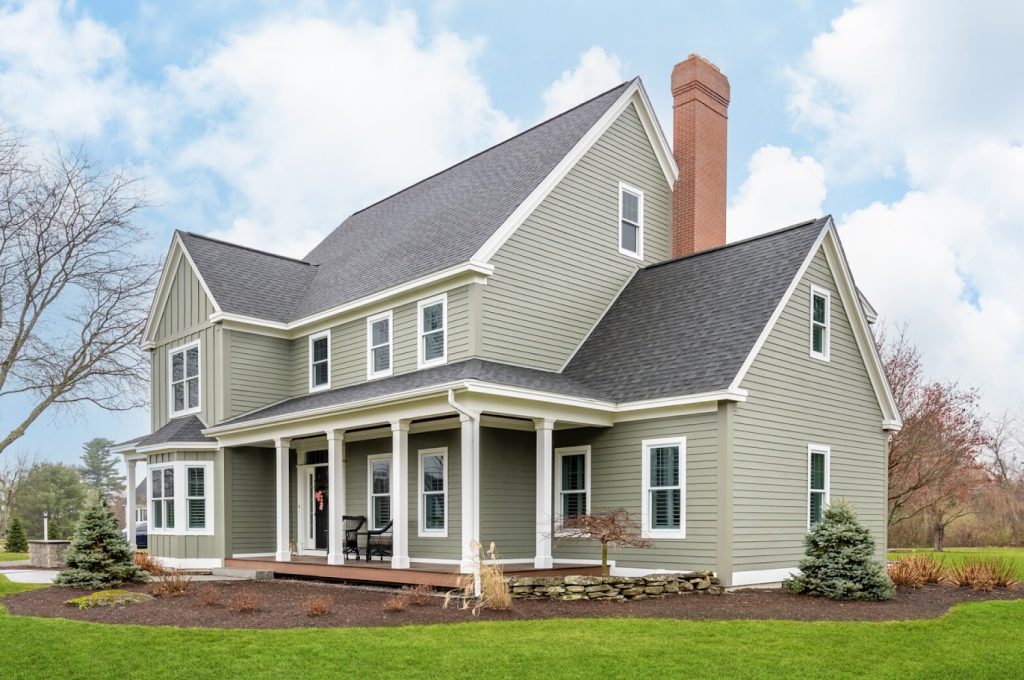
Vinyl siding has come a long way in terms of style, you can find it in a wide range of colors and textures, including options designed to mimic wood grain. But most homeowners and real estate agents will tell you the same thing: it still tends to look like vinyl. There’s a shine and a texture to it that’s hard to disguise, and it can look a bit hollow or plasticky, especially up close.
James Hardie siding, on the other hand, is known for its incredibly realistic wood-look textures. Whether you go with HardiePlank lap siding, HardieShingle, or HardiePanel, the finish looks convincingly like real wood or stucco without the maintenance headaches those materials usually bring. It also holds color better over time thanks to the ColorPlus baked-on finish technology, meaning your home won’t fade or chalk the way vinyl often does after a few Carolina summers.
If curb appeal and a more upscale, custom look matter to you, James Hardie is generally considered the more attractive option — and it shows in resale value too, which we’ll get into next.


James Hardie vs Vinyl Siding: Environmental Impact
Vinyl siding is made from PVC, a petroleum-based plastic. It’s not biodegradable, and manufacturing it releases chlorine-based chemicals into the environment. When vinyl siding is eventually torn off a house, it typically ends up in a landfill, where it can sit for hundreds of years without breaking down.
James Hardie siding is made primarily from natural materials, sand, cement, and cellulose fibers, making it a more environmentally friendly option overall. It’s also more energy-efficient in terms of home insulation when paired with proper installation, and because it lasts so much longer than vinyl, it doesn’t need to be replaced (and thrown away) nearly as often.
If sustainability factors into your decision at all, fiber cement is the more responsible choice environmentally.


Which Siding Adds More Resale Value: James Hardie or Vinyl?
Resale value is often one of the more overlooked factors when comparing siding options, but it’s worth understanding since siding is a visible, long term feature that buyers and appraisers do take into account.
According to Remodeling Magazine’s Cost vs. Value report, fiber cement siding typically recoups a higher percentage of its installation cost at resale compared to vinyl siding, often in the range of 76% to 113% percent depending on the local market and home value. Vinyl siding also adds value when replacing older or damaged siding, though it generally doesn’t return quite as high a percentage.
Part of this comes down to buyer perception. James Hardie is a recognized brand name in the siding industry, and real estate listings in North Carolina and South Carolina will sometimes specifically mention it as a feature. Homes with fiber cement siding are often perceived as lower maintenance and more durable, which can factor into how buyers and agents evaluate a property during a sale.
That said, resale return varies by region, home price point, and overall market conditions at the time of sale. Homeowners who are unsure how siding material might affect their specific home’s value may want to talk with a local real estate agent familiar with recent sales in their area.
James Hardie vs Vinyl Siding: Which One Should You Choose?


Picking between the two really comes down to three things: what you’re working with budget wise, how long you plan on staying in the house, and what kind of weather your siding actually has to survive year after year.
Vinyl remains one of the most common siding materials installed across the country, and for good reason. It costs less to put up, it doesn’t need much upkeep, and for a lot of homeowners, especially ones who don’t plan on staying in the house for decades, that’s exactly what they need. There’s nothing wrong with choosing vinyl if affordability and simplicity are what matter most to you.
James Hardie costs more upfront, no question. But it’s fiber cement, not plastic, which means it handles humidity, storms, and the pest pressure we see constantly here in North Carolina and South Carolina a lot better than vinyl typically does. Add in the 30 year warranty and a lifespan that often stretches well past that, and for homeowners planning to stay put for a while, the math tends to work out in Hardie’s favor over time.
Hatch Homes installs both siding types throughout NC and SC, and honestly, the best way to figure out which one makes sense for your house isn’t through a blog post, it’s through someone actually looking at your home. Things like your current siding’s condition, how much direct sun your walls get, whether you’ve had moisture issues in the past, and even local building codes can all shift which option makes more sense for your specific property. That’s the kind of thing our team walks through with homeowners every day across the Carolinas.
Frequently Asked Questions
Is James Hardie siding worth the extra cost compared to vinyl?
For most homeowners in NC and SC, yes. James Hardie siding costs more upfront, but its resistance to moisture, pests, fire, and severe weather means fewer repairs and a longer lifespan — often making it the better value over 20-30 years.
Does vinyl siding attract termites?
Vinyl siding itself isn’t a food source for termites, but moisture trapped behind vinyl panels can create conditions that attract termites to the wood sheathing underneath. James Hardie siding doesn’t have this issue since it’s made from fiber cement.
How long does James Hardie siding last compared to vinyl?
James Hardie siding typically lasts 30-plus years, sometimes 40 or more with proper maintenance. Vinyl siding generally lasts 20-25 years before needing replacement.
Can vinyl siding catch fire?
Yes. Vinyl siding is made from PVC plastic and is flammable. It can melt or contribute fuel to a house fire. James Hardie siding carries a Class 1(A) fire rating and is non-combustible.
Which siding holds up better in hurricanes, James Hardie or vinyl?
James Hardie siding, particularly their HZ5 product line, is specifically engineered for hurricane-prone regions and resists wind and impact damage far better than standard vinyl siding.
Does James Hardie siding increase home resale value more than vinyl?
Yes. Fiber cement siding typically returns a higher percentage of installation cost at resale compared to vinyl, and homes with James Hardie siding are often viewed more favorably by buyers.
Does Hatch Homes install both James Hardie and vinyl siding in NC and SC?
Yes, we install both siding types across North and South Carolina and can help you determine which option best fits your home, budget, and long-term goals.
Watch This Homeowner Replace Melted Vinyl With James Hardie
See what happened when their vinyl siding melted—and why they chose James Hardie instead. Watch the before, the switch, and how fiber cement holds up where vinyl failed.

Transform Your Home With Hatch Homes
Every home we work on receives our full attention. From the initial consultation through the final walkthrough, our team is focused on clear communication, quality workmanship, and a smooth project experience. If you are looking for a trusted exterior remodeling company with proven experience and a homeowner first approach, Hatch Homes is ready to help. Call today at (980) 355-2075 for your free quote.
More than just a contractor.
Hatch is your partner for exterior remodeling.